


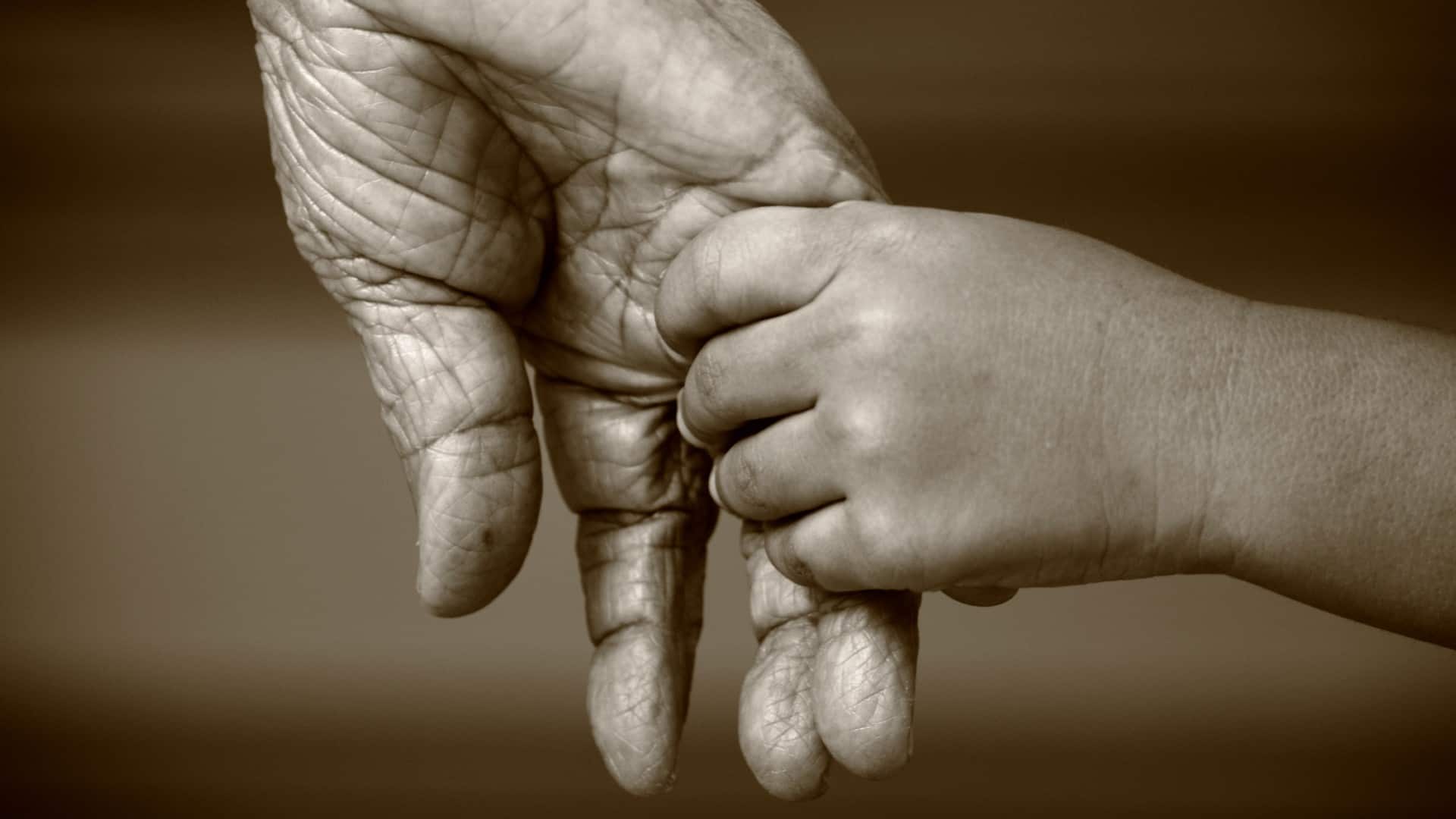
The concept of the sanctity of human life is foundational across moral, ethical, religious, and philosophical traditions. It refers to the intrinsic worth of every human being simply by virtue of their existence. In an era marked by rapid scientific advances, complex healthcare decisions, and evolving social values, exploring the sanctity of life from multiple perspectives helps individuals and communities engage with critical questions about dignity, rights, ethics, and responsibility.
This article provides an in-depth look at the moral, ethical, and spiritual dimensions of the sanctity of human life, offering insight for students, educators, faith leaders, and anyone seeking to engage thoughtfully with this profound principle.
What Does ‘Sanctity of Human Life’ Mean?
At its core, the sanctity of human life asserts that human life has inherent dignity and value that cannot be measured solely by external attributes such as age, health, ability, productivity, or social status. This perspective holds that life is not a commodity or instrument, but a unique and irreplaceable gift deserving respect and protection.
The belief in the sanctity of life often serves as a foundational principle in discussions about medical ethics, human rights, social justice, and public policy. It influences how societies understand issues such as reproductive ethics, end-of-life care, disability rights, and equitable access to healthcare.
Moral Foundations: Human Dignity and Worth
From a moral standpoint, the sanctity of human life is rooted in the idea that every person possesses inherent dignity. This dignity is not dependent on external factors but is intrinsic to the human condition. Morally, this leads to several key implications:
- All human beings deserve respect and compassion
- Ethical decisions should uphold human worth, not diminish it
- Vulnerable populations require special attention and protection
Whether in everyday interactions or life-impacting decisions, acknowledging the sanctity of life encourages individuals to act in ways that honor the value of others.
Ethical Dimensions: Rights, Responsibility, and Care
Ethics provides a framework for applying moral principles in real-world situations. When grounded in the belief in the sanctity of human life, ethical decision-making emphasizes:
1. Respect for Autonomy
Recognizing the individual’s right to make informed choices about their own life and well-being, while ensuring that such choices do not undermine the dignity of others.
2. Protection of the Vulnerable
Upholding the rights of those who cannot advocate for themselves – such as the elderly, unborn, disabled, or critically ill – reflects a commitment to the value of every life.
3. Responsible Stewardship
Professionals in medicine, law, education, and public policy are ethically called to make decisions that enhance life, alleviate suffering, and promote human flourishing.
In ethical discourse, the sanctity of human life serves as a guiding principle that shapes judgments and policies with real implications for individuals and communities.
Spiritual Perspectives: Life as a Gift
Across many religious traditions, the sanctity of life carries profound spiritual significance. It is often understood as a reflection of creation, divine intent, or transcendent purpose. In these contexts:
- Life is seen as sacred because it comes from a higher source
- Human beings are viewed as stewards rather than owners of life
- Ethical and moral obligations are rooted in spiritual teachings
For believers, recognizing the sanctity of human life becomes a call to compassion, care, and reverence in relationships, healthcare, social policy, and community life.
Contemporary Conversations and Challenges
Modern medical and technological advancements have raised complex questions about the sanctity of human life. Debates around topics such as genetic editing, end-of-life care, reproductive technologies, and disability rights require thoughtful engagement with both ethical principles and human experiences.
Rather than simplistic answers, these conversations benefit from:
- Interdisciplinary dialogue
- Respectful listening to diverse perspectives
- Commitment to both human dignity and practical care
The sanctity of life provides a purposeful lens through which these issues can be explored thoughtfully and compassionately.
Why Understanding the Sanctity of Human Life Matters
At its heart, the sanctity of human life invites reflection on what it means to be human, how we value one another, and how moral and ethical frameworks shape society. It reminds us that every person’s existence carries significance and that decisions whether personal, professional, or public – have human impact.
By engaging deeply with the moral, ethical, and spiritual dimensions of life’s value, individuals can:
- Strengthen their capacity for empathy and care
- Contribute meaningfully to ethical decision-making
- Promote policies that uphold human dignity
- Live with intentional responsibility toward others
