
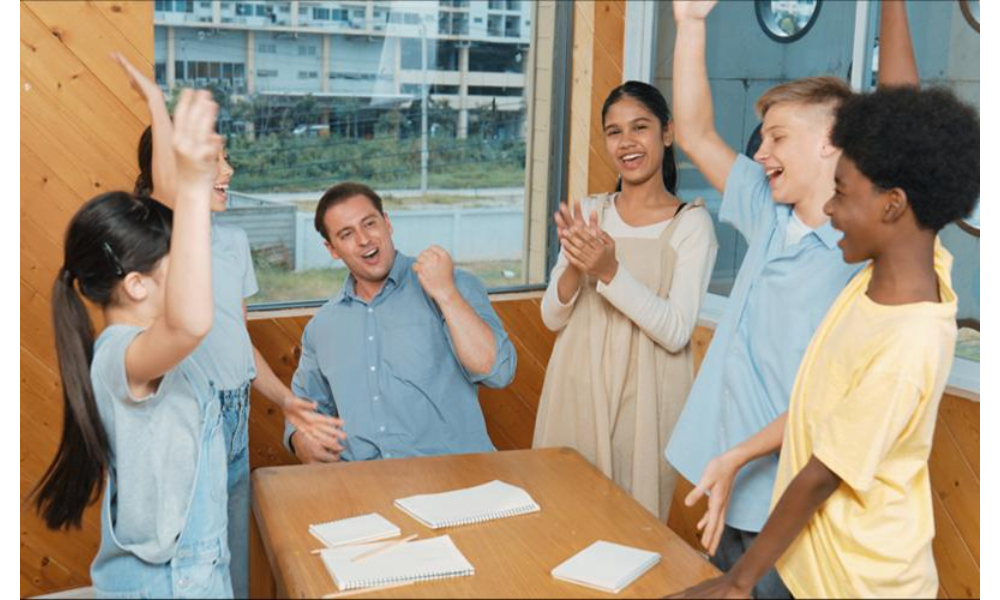

Music has a special way of making things stick. For children learning Chinese, songs and rhymes create a rhythm that turns study time into playtime. The melody helps memory, and repetition builds pronunciation naturally. This makes learning smoother, especially for younger students who respond better to sound and rhythm than long text. Chinese tuition has tutors that use songs and rhymes to boost listening, speaking, and reading skills all at once.
Why Rhythm Works
Rhythm helps learners remember tone and flow, two key parts of Mandarin. The four tones in Chinese can be tricky, but singing turns them into patterns that children can follow easily. A familiar tune provides structure, helping the brain connect meaning with sound. Through regular exposure, students start recalling words effortlessly. Lessons often begin with warm-up songs to set a positive tone, build focus, and spark enthusiasm in Chinese tuition in Singapore.
Children who sing their lessons also show better pronunciation. Melody teaches them where to pause, which tone to use, and how to express emotion through language. This builds comfort and confidence, turning speaking exercises into something fun instead of stressful. With consistency, these musical moments form the foundation for better oral fluency and comprehension.
From Nursery Rhymes to Language Skills
Songs and rhymes introduce words in bite-sized patterns. A short verse can carry a lot of vocabulary, and repetition reinforces recognition. Kids who hear a song several times naturally remember the words long after class ends. Tutors often use classic nursery rhymes or modern jingles that align with lesson themes. Methods like these are especially useful for students who struggle with memorisation. Singing along makes difficult phrases easier to grasp and remember.
Beyond words, songs also teach sentence rhythm and structure. By repeating lines in rhythm, children understand how words fit together without the pressure of grammar drills. The flow of music keeps their attention while helping them notice how Chinese syntax works. Tutors can also weave in cultural references through lyrics, creating a deeper connection with the language.
The Power of Storytelling Through Song
Every song tells a story, and storytelling is one of the most effective ways to build comprehension. When children listen to songs with simple narratives, they absorb context without realising it. This exposure strengthens understanding and helps them think in Chinese instead of translating word by word. Chinese tuition classes often includes songs that relate to traditional tales or moral lessons, blending language learning with cultural awareness.
Music creates an emotional link that goes beyond vocabulary. When a child hums a familiar Chinese tune, it connects to feelings of joy, curiosity, and accomplishment. This emotional tie encourages long-term retention. It makes the learning process feel natural and enjoyable rather than forced.
Encouraging Confidence Through Singing
Confidence grows when learning feels fun and achievable. Singing helps children overcome shyness and use Chinese openly. Even hesitant speakers tend to participate when music is involved. Tutors use group singing sessions to reduce performance anxiety and encourage teamwork. These shared moments turn lessons into lively experiences instead of quiet drills.
Private tuition in Singapore allows tutors to adapt song-based exercises to each child’s level. A slower pace for beginners or more complex songs for advanced learners ensures steady progress. Singing familiar lines also gives students a sense of achievement. The joy of nailing a verse or remembering a lyric becomes motivation to keep improving.
Memory That Lasts Beyond the Classroom
One of the strongest benefits of using music is retention. Words learned through song stay in memory longer than those learned through repetition alone. When lyrics include daily vocabulary like greetings or family terms, students start using them naturally in conversation. This is why tutors in private tuition in Singapore often assign musical homework. Parents can join in the fun by singing together at home, turning study into bonding time.
Music also bridges learning between lessons. A song introduced in class can easily be replayed during car rides or bedtime routines, reinforcing language in small, consistent doses. Over time, this repetition becomes the backbone of long-term fluency.
Blending Modern and Traditional Methods
Combining traditional lessons with musical exercises gives children a complete learning experience. While reading and writing remain essential, music keeps the process engaging. In structured settings like private tuition in Singapore, song-based learning supports textbook work. It transforms memorisation into enjoyment and builds natural language rhythm.
Using technology, tutors can now share playlists, lyric sheets, and online videos that align with weekly topics. This allows children to revisit lessons independently. The mix of classic nursery rhymes and modern pop makes Chinese relatable and fun across ages.
Turning Notes Into Knowledge
Songs and rhymes show that learning Chinese does not have to feel like a test. They turn language into sound, rhythm, and movement. Through singing, students build confidence, improve pronunciation, and connect emotionally with what they study. This holistic method supports memory and makes learning both productive and playful.
Music’s rhythm creates structure, and its melody builds memory. Together, they form the perfect duet for mastering Chinese. When guided by dedicated tutors, children turn each note into understanding and every lyric into lasting skill. Contact LingoAce to bring melody into your child’s Chinese learning journey and watch language skills grow with every song.
How Songs and Rhymes Help Kids Learn Chinese Faster
