


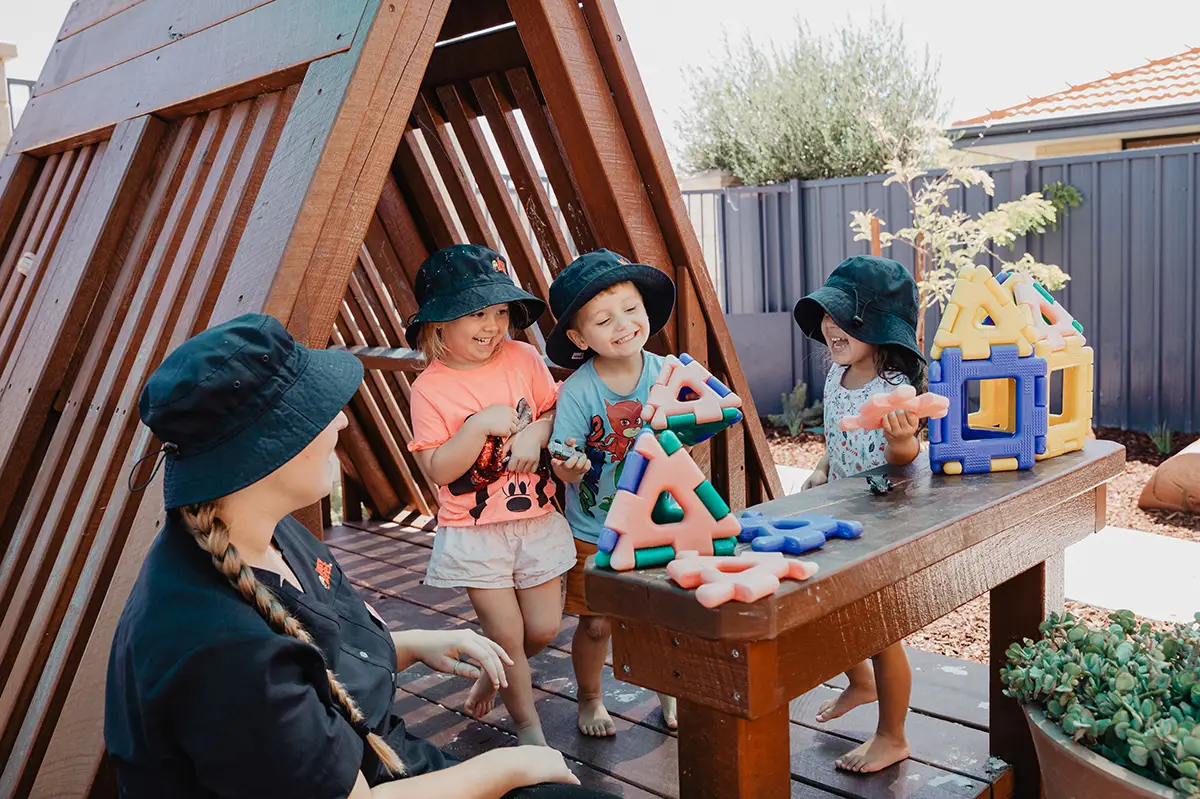
The hours after school can feel like a puzzle for busy families. Parents finish work late. Children need somewhere safe and engaging to spend their afternoons. Quality afterschool care for children solves this challenge while offering something valuable: a space where young people can grow, learn, and simply be kids.
Why Afterschool Programmes Matter
The end of the school day doesn’t mean learning stops. Children continue developing skills through play, social interaction, and structured activities. A good afterschool programme provides this environment without the pressure of formal lessons.
Parents gain peace of mind knowing their children are supervised and engaged. Children benefit from routine, social opportunities, and activities they might not experience at home. This arrangement works for everyone involved.
Building Focus Through Structured Time
Children thrive with routine. Afterschool care for children typically includes dedicated time for homework and quiet activities. This structure helps young people develop focus and time management skills.
Trained staff can offer guidance with schoolwork without taking over. Children learn to tackle assignments independently whilst having support available when needed. This balance builds confidence and self-reliance.
Structured activities like arts and crafts, reading time, or educational games keep minds active. These aren’t random time fillers. They’re carefully chosen to support concentration and creative thinking.
Creating Friendships That Last
School friendships often need time to develop beyond classroom interactions. Afterschool programmes offer this crucial social space. Children from different classes and year groups mix together naturally.
Cooperative games and group projects teach teamwork. Children learn to share, negotiate, and resolve conflicts. These social skills matter just as much as academic achievements.
Some children struggle with social anxiety or shyness. The relaxed atmosphere of afterschool settings provides a gentler space for connection. Friendships formed during these hours often become some of the strongest bonds children make.
Mixed Age Benefits
When children of various ages interact, younger ones learn from older peers. Older children develop leadership skills and empathy. This natural mentoring creates a supportive community atmosphere.
Physical Activity and Play
Children need to move after sitting in classrooms all day. Quality afterschool programmes include outdoor play, sports, and active games. Physical activity improves mood, concentration, and overall health.
Play isn’t just about burning energy. It’s how children process their day, work through emotions, and develop motor skills. Free play time lets imaginations run wild without adult direction.
Organised sports teach rules, strategy, and sportsmanship. Even children who aren’t naturally athletic can find activities they enjoy, whether that’s dance, yoga, or simple running games.
Safe Spaces for Exploration
Afterschool care provides resources many homes can’t offer. Art supplies, musical instruments, science kits, and books create opportunities for discovery. Children can explore interests without parents needing to invest in expensive materials.
Trying new activities helps children discover hidden talents and passions. A child might find they love painting or develop an interest in nature studies. These discoveries shape future hobbies and career interests.
Homework Support That Works
Many programmes include homework help from trained staff. This support prevents evening battles at home over unfinished assignments. Parents can focus on quality family time rather than becoming homework enforcers.
Children often respond better to guidance from programme staff than from parents. There’s less emotional tension. The homework gets done efficiently, leaving evenings free for relaxation.
Flexible Options for Modern Families
Afterschool care options range from daily attendance to occasional drop-in sessions. This flexibility helps families manage varying work schedules and commitments. Parents can arrange care that matches their specific needs.
Some programmes operate during school holidays, providing continuity of care throughout the year. This consistency benefits children who thrive on routine and familiar faces.
Choosing the Right Programme
Look for qualified staff who genuinely enjoy working with children. Visit potential programmes to observe the atmosphere and activities. Talk to other parents about their experiences.
Ask about staff-to-child ratios, safety procedures, and activity schedules. A good programme will welcome questions and provide clear answers about their approach.
The right afterschool care for children becomes an extension of family and school. It’s where children can relax, grow, and simply enjoy being young whilst parents work with confidence that their children are thriving.
